

What makes a digital platform truly resonate with a city’s identity? In an era where global apps dominate search results, local voices can easily fade into the background. Yet cities thrive on their own rhythm, customs, and evening rituals. A platform that captures this atmosphere becomes more than a listing board; it becomes a cultural mirror. This is where platforms offers insight into how regional platforms operate with clarity and direction. Daebam stands as a compelling example of how localized information systems can flourish by focusing on depth rather than breadth. By observing its structure and strategy, we can better understand why regional platforms continue to gain relevance in Korea’s urban entertainment landscape.
Deep Geographic Concentration

One defining trait of Daebam is its concentrated focus on Daegu and surrounding districts. Unlike national directories that scatter attention across dozens of cities, Daebam invests its energy into one metropolitan area. This geographic commitment allows the platform to reflect subtle neighborhood distinctions, popular nightlife streets, and district-based entertainment clusters. Localized information platforms succeed when they avoid spreading resources too thin. By narrowing its scope, Daebam delivers content that feels precise and context-aware. For users planning an evening out, this specificity creates confidence. Instead of generic summaries, they encounter venue information shaped by real local patterns and habits. This depth also benefits businesses. Smaller entertainment spots that might be overlooked on nationwide directories receive visibility within a platform dedicated to their city. As a case study, Daebam demonstrates that regional concentration can create stronger engagement than broad but shallow coverage.
Entertainment-Focused Information Architecture
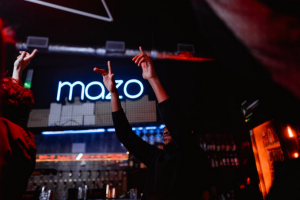 Another critical factor is content organization. Generic directories categorize businesses in rigid, predictable structures. Bars are placed under food and beverage, clubs under nightlife, and event spaces under entertainment, often without further context. Daebam organizes its information with nightlife and social culture as central pillars. Rather than simply listing venues, it highlights trends, featured districts, and timely updates. This approach aligns the platform with how users actually search for evening activities. People rarely look for “a bar.” They look for a vibe, a crowd, or a type of experience. By structuring content around lifestyle patterns, Daebam transforms static listings into dynamic discovery tools. This information architecture shows how localized platforms can mirror city behavior rather than forcing it into generic categories.
Timeliness and Adaptability
Urban entertainment scenes shift rapidly. A popular club this season may quiet down next year. Events appear and disappear with little notice. For localized platforms, keeping pace with these shifts is essential. Daebam’s model emphasizes regular updates and responsiveness to current trends. This adaptability increases trust and user return rates. When audiences know that information reflects present conditions, they rely on it for planning. In broader digital strategy terms, Daebam illustrates how local platforms must remain agile. Static data alone cannot sustain engagement in nightlife-driven ecosystems. By staying aligned with seasonal events, emerging venues, and district popularity changes, Daebam highlights the operational discipline required for regional success.
Cultural Reflection and Community Alignment

A strong localized platform does …